Covered powerlines in high-risk areas
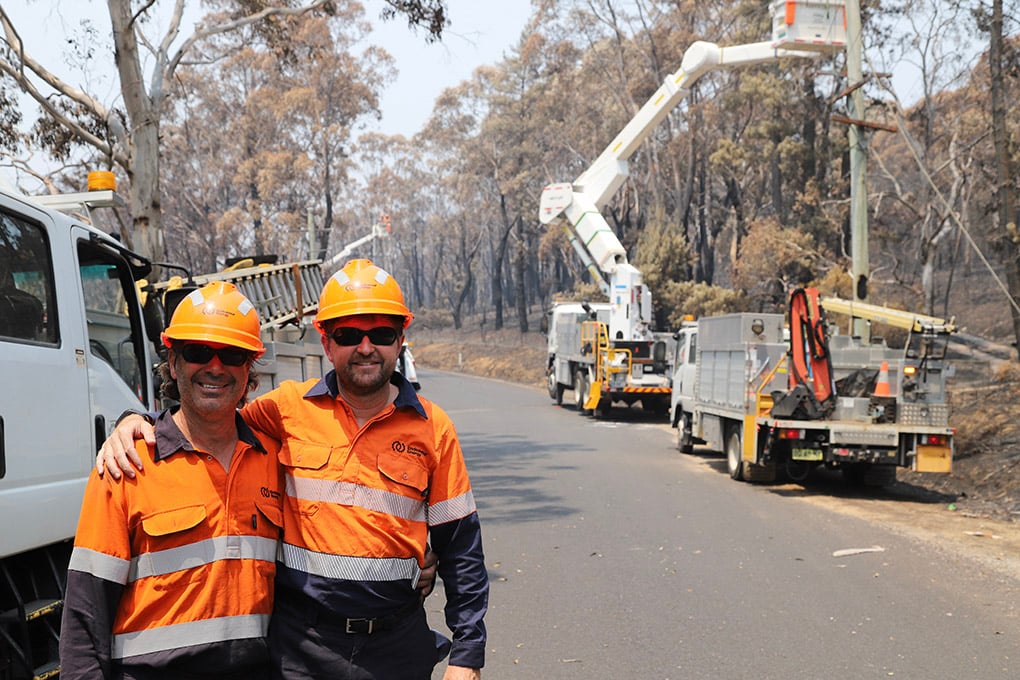
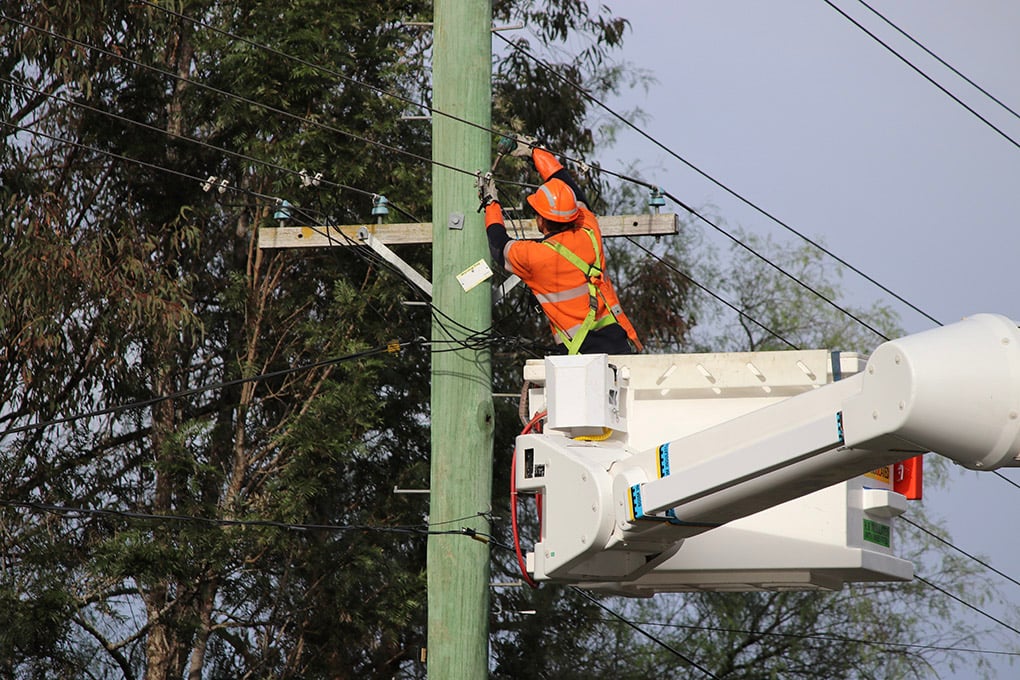
We’re replacing timber poles and bare wires with safer, covered powerlines in bushfire risk areas.

We prepare for storms, bushfires and other emergencies. Should an outage occur, our planning helps protect communities, supports first responders and gets the power back faster.

When the power goes out, it’s more than just lights going off. It can stop medical equipment, shut down phones and the internet, interrupt food storage, heating and cooling and more. That’s why we’re upgrading the network to keep everyone safe and so we can restore power as quickly as possible during extreme weather and emergencies.
We’re taking practical steps to make the electricity network safer, stronger and better prepared for extreme weather. These steps are shaped by expert modelling that covers a wide array of the work we do and what we’ve heard from our customers. It helps us plan smarter upgrades and respond faster during emergencies like storms, floods and bushfires.
We’re replacing timber poles and bare wires with safer, covered powerlines in bushfire risk areas.
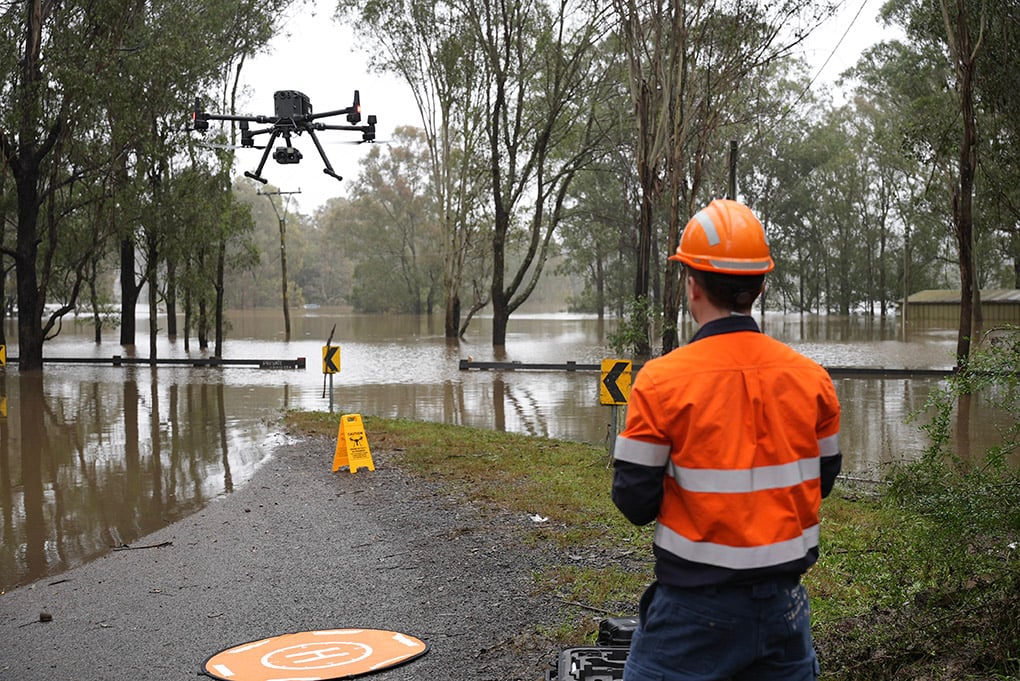
In flood-prone locations, including the Hawkesbury-Nepean, we’re elevating powerlines to help keep power on during floods.
If required, we’re ready to install back-up supply at short notice across key community hubs to keep people connected during emergencies.
We regularly update our approach based on customer feedback, climate data and what we learn after major events.
We’re using long-term climate modelling and suburb-level risk analysis to guide smarter decisions about where and when to upgrade equipment.
We co-design energy solutions with councils, customers and others including utility providers to help protect and maintain power community critical infrastructure during storms, bushfires and other extreme events.
Along with local councils, fire services and the State Emergency Service, we play our part to help keep communities safe. We prepare our assets for storms and bushfires by inspecting equipment before summer in our pre-summer bushfire inspection program, trimming vegetation near powerlines and planning quick access for emergency crews. This prepares us if major weather events or disruptions occur to restore power faster and work together with other agencies to protect homes, businesses and critical services.
Electrical hazards are often present during emergency events such as storms, floods and bushfires. If you're an emergency services worker, make sure you know the basics and follow these simple rules.
Never approach fallen powerlines. Keep at least eight metres away from them and anything they may be touching such as trees and fences.
Use barricades or tape to make sure all bystanders stay clear too.
Even though powerlines may look dead, they can re-energise without warning. Wait for Endeavour Energy crews to make it safe and give the all clear.
If a powerline falls on your vehicle, stay inside unless there’s a fire risk. If you must exit, jump clear landing both feet together on the ground then keep jumping until 8 metres away.
We understand that as an emergency Services worker your first response is to help. However, when electricity is involved, you must stand back and wait for the Electricity Network Provider to attend and make everything safe.
A must watch for all NSW Emergency Services personnel to keep you safe while responding to incidents involving our network. ask your services training team about the eLearning that should be used with this video.

When severe floods hit, our teams monitor powerlines to make sure they’re working safely and use mobile back-up generators to keep key evacuation centres running. Working alongside the State Emergency Services and local councils, we rearrange the network to maintain electricity supply where possible and work to restore power to affected homes as quickly as we can, helping families return safely and critical services stay open.